
Think the pool is just for kids? Think again! Hydrotherapy can be a valuable part of physical therapy, incorporating low-impact exercises, injury recovery, and joint health. There are many great benefits to including hydrotherapy in a physical therapy regimen, so we encourage both doctors and patients to fully explore this extremely effective PT option.
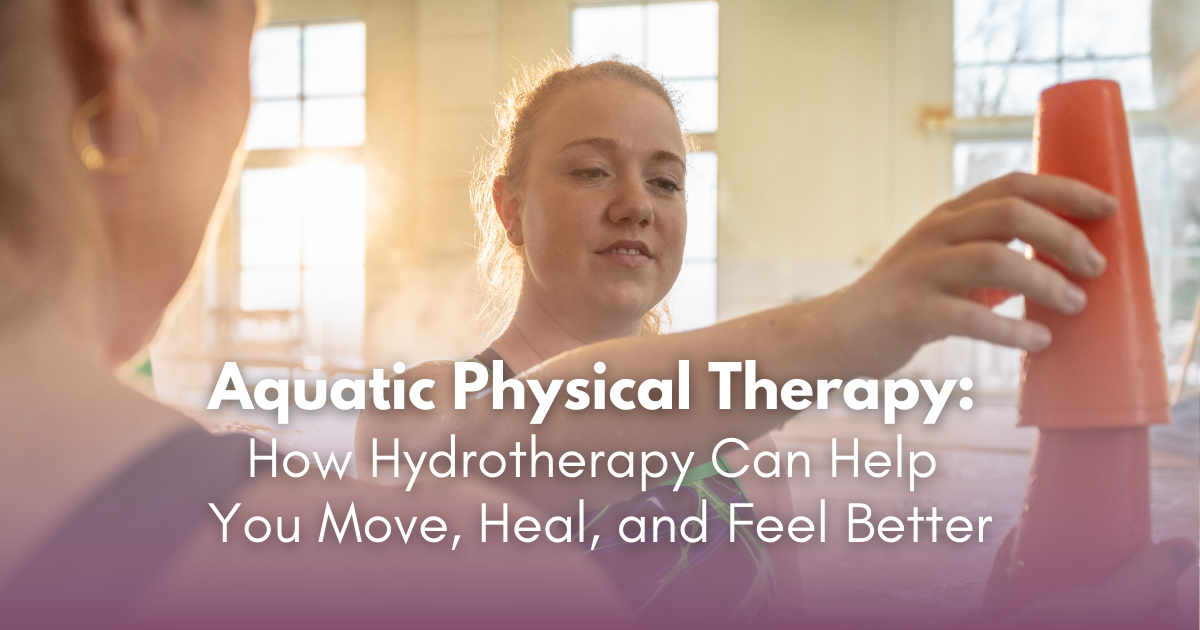
For many of our physical therapy patients at Orthopaedic Hospital of Wisconsin, hydrotherapy has been extremely helpful. This common (but often under-prescribed) regimen is easy on joints and provides a low-impact answer for recovery. We offer hydrotherapy at our New Berlin Clinic within the Princeton Club, where patients can work with OHOW physical therapist, Mitchell Weigel, PT, DPT, for aquatic therapy in a pool, resistance pool, as well as a hot tub.
In the blog post below, discover how hydrotherapy works, who benefits from hydrotherapy, and how to decide if our aquatic program is right for you.
How Hydrotherapy Works
In hydrotherapy or aquatic therapy, physical therapists help patients perform gentle exercises in the water. Using an understanding of the unique principles of water, like buoyancy, hydrostatic pressure, cohesion, and viscosity, therapists help patients through activities that would otherwise be challenging on land.
At OHOW, patients typically visit our New Berlin location through a referral from their doctor or physical therapist. We also see patients who self-refer, often because they’ve read about hydrotherapy and wonder if it would help their condition. Many patients are pleased to discover how beneficial hydrotherapy is for their recovery.
During a hydrotherapy session, we work on mobility, flexibility, and strength to increase the patients level of function. We progress from assisted movements with pool noodles and other pool equipment to more resisted activities against the pool’s current based on there person’s tolerance. We may use myofascial release as needed if it is beneficial to the person’s specific injury.

Physical Therapy Patients Benefit From Hydrotherapy
Hydrotherapy has a significant impact on recovery and many benefits for patients of all fitness levels and abilities. Hydrotherapy works very well for athletes (at all levels), recovering from injuries to knees, hips, shoulders, neck, back, feet, and ankles. Aquatic-based therapy is also helpful pre-and-post joint replacement surgery, and for patients with Fibromyalgia, vertebral damage, paralysis, and severe joint pain, among a myriad of other diagnoses.
In addition to aiding recovery, hydrotherapy improves endurance and provides cardiovascular benefits without increased stress on joints. In the water, patients often have increased mobility and balance, allowing them to improve their strength, reduce muscle and joint soreness, and generally recover quicker.
Working in water also significantly reduces the chances of re-injury, allowing patients to “ease” into their recovery. As an added benefit, patients often report improved sleep, increased flexibility, and improved gait mechanics. Hydrotherapy increases core strength, enhances circulation, and improves muscle tone. The water improves plyometric movements to help athletes return to sport, and non-athletes to return to normal daily activity.
One of the most significant benefits of hydrotherapy is that patients’ confidence increases. After surgery or injury, patients are often hesitant to perform certain activities on land, because they fear reinjuring themselves, or simply because of pain. In the water, patients don’t hold back as much—they’re comfortable. Water reduces the fear factor that often comes with land-based recovery. Many of the activities, like picking up items, squatting, and balancing in the water, also help them immensely when they’re moving on land.
When to Consider Hydrotherapy
When a patient is engaging in land-based physical therapy activities and still experiencing a great deal of discomfort, aquatic therapy is a beneficial solution. While physical therapy and rehabilitation often include challenging activities, for some patients, exercise on land is too painful. Working in the water eases the pressure on joints, and helps patients move comfortably and freely.
At the OHOW Princeton Club in New Berlin, we see physical therapy patients for a wide variety of concerns and diagnoses. Hydrotherapy is extremely beneficial for joint replacement recovery, rehabilitation and plyometrics for sports-related injuries, Postural Orthostatic Tachycardia Syndrome, Cerebral Palsy, Fibromyalgia, Multiple Sclerosis, and any concerns with flexibility, strength, balance, and coordination.Patients often work with us in the aquatic environment during their appointment, and then receive recommendations for follow up movements they can perform at a local pool, YMCA, a fitness club (patients receive a 1-week membership to the Princeton Club), or in their home pool. Patients can even do their exercises in a lake while on vacation! They learn what tools we use in our sessions and receive laminated instruction sheets to take anywhere—even traveling.
Many patients enjoy their time in the water and are so impressed with the benefits of hydrotherapy that they follow recommendations of their therapists to continue water-based exercise even after rehabilitation is complete. Hydrotherapy and water-based exercise can be a powerful tool to help patients on their road to recovery and a lifetime of health.
If you’re interested in setting up an appointment with Mitchell or any member of our physical therapy team, request your appointment online now or call (414) 858-1360 to reach the New Berlin Clinic.
At Orthopaedic Hospital of Wisconsin, we offer a patient-centric approach to treatment. We’ll find the right solution to help you move without pain.