Shoulder

Treatment Options

We offer a full spectrum of treatment options, from conservative management to advanced surgical interventions. Our multidisciplinary approach ensures that each patient receives the most appropriate care for their specific condition.

Joint Replacement Surgery

Shoulder Replacement (Arthroplasty) Complete replacement of the shoulder joint with prosthetic components that replicate normal anatomy, ideal for patients with arthritis who have intact rotator cuff function.

Reverse Total Shoulder Replacement (Arthroplasty) Innovative shoulder replacement design that reverses normal anatomy, particularly beneficial for patients with arthritis combined with rotator cuff deficiency.

Partial Shoulder Replacement (Hemiarthroplasty) Replacement of only the humeral head portion of the joint, appropriate for certain fractures or specific types of arthritis.

Shoulder Joint Restoration and Resurfacing Advanced techniques to preserve natural bone while addressing joint damage.

Advanced Surgical Treatments

Shoulder Scope (Arthroscopy) Minimally invasive surgical technique using small incisions for diagnosis and treatment, resulting in less pain, smaller scars, and faster recovery.

Rotator Cuff Repair (RCR) Advanced arthroscopic and open techniques to repair torn rotator cuff tendons using the latest suture anchor technology and biological augmentation techniques.

Shoulder Decompression Arthroscopic removal of bone spurs and inflamed tissue to create more space for rotator cuff tendons, relieving impingement and associated pain.

SLAP Repair Specialized arthroscopic technique to reattach the torn labrum to bone and restore shoulder stability.

Bankhart Repair Advanced stabilization procedures for shoulder instability and recurrent dislocation.

Capsular Repair and Capsular Shift Surgical techniques to tighten and repair the shoulder capsule for improved stability.

Advanced Fracture Repair Sophisticated surgical technique for complex shoulder fractures using specialized implants designed specifically for shoulder anatomy.

Non-Surgical Treatments

Physical Therapy Our physical therapists work closely with patients to develop customized rehabilitation programs designed to restore strength, flexibility, and function, often avoiding the need for surgical intervention.

Steroid Injections Targeted anti-inflammatory treatments delivered directly to the affected area to reduce pain and inflammation, particularly effective for conditions such as bursitis, tendonitis, and arthritis.

Other Injections Treatments that supplement the natural lubricating fluid in arthritic joints, providing significant pain relief and improved function for patients with shoulder arthritis.

Common Shoulder Conditions

You can trust our care team to assess, diagnose, and treat your shoulder using best practices and treatment protocols. Our comprehensive approach addresses the full spectrum of shoulder problems, from acute injuries to chronic degenerative conditions.

Degenerative and Inflammatory Conditions

Shoulder Arthritis Degenerative joint disease affecting the shoulder that causes significant pain, stiffness, and loss of function. We treat all forms of shoulder arthritis with both conservative and advanced surgical approaches.

Rotator Cuff Tendonitis Inflammation of the rotator cuff tendons, one of the most common causes of shoulder pain, often develops from repetitive overhead activities or age-related degeneration.

Frozen Shoulder (Adhesive Capsulitis) Inflammation and stiffening of the shoulder capsule leading to severe restriction of shoulder movement, requiring specialized treatment approaches at OHOW.

Biceps Tendonitis Inflammation of the biceps tendon as it passes through the shoulder joint, causing anterior shoulder pain that worsens with overhead activities.

Bursitis Inflammation of the bursa (fluid-filled sacs that cushion the shoulder joint) causing significant pain and limited shoulder movement.

Fractures and Trauma

Proximal Humerus Fractures Fractures of the upper portion of the arm bone near the shoulder joint, ranging from simple to complex multi-part fractures requiring sophisticated surgical reconstruction.

Rotator Cuff Tears Complete or partial tears of rotator cuff tendons from acute injury or chronic degeneration, significantly impacting shoulder function.

Collarbone Fractures Fractures of the clavicle require expert orthopedic management.

Scapular Fractures Complex fractures of the shoulder blade require specialized surgical expertise.

Instability, Impingement, and Injury

Shoulder Instability and Dislocation When the shoulder joint becomes unstable, resulting in partial dislocations (subluxation) or complete dislocations, it is treated with OHOW’s specialized stabilization techniques.

Shoulder Impingement Compression of rotator cuff tendons between shoulder bones, resulting in pain, especially with overhead activities, and potentially leading to rotator cuff tears if untreated.

SLAP (Superior Labrum Anterior to Posterior) Tears Injury involving damage to the labrum at the top of the shoulder socket, common in athletes with repetitive overhead motions.

Shoulder Separation Injury to the acromioclavicular (AC) joint requires expert evaluation and treatment planning.

TAKE THE NEXT STEP TOWARDS BETTER MOBILITY

SAY GOODBYE TO PAIN,
HELLO TO POSSIBILITIES

Understanding Your Shoulder Anatomy

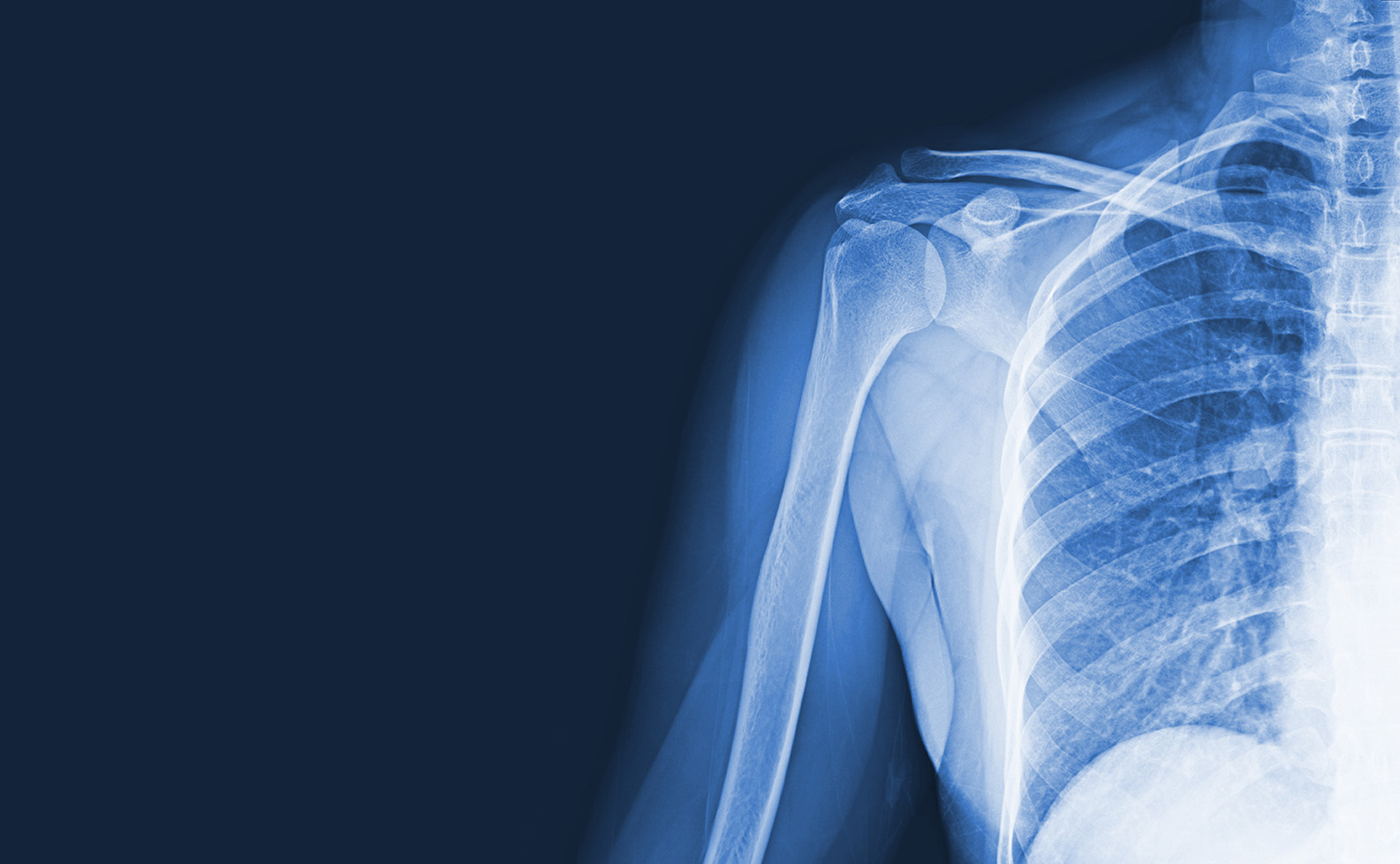
Among all your joints, the shoulder is the one you use on the most. As a ball-and-socket joint, it’s the most flexible in the body, allowing for a wide range of motion in many directions.

The “ball” is the head of the humerus, and the “socket” is the glenoid part of the scapula (shoulder blade). Sitting above this joint is the acromion, a common site for bone spurs, while the acromioclavicular (AC) joint nearby is often involved in shoulder separations.


Surrounding these bones is a complex network of muscles, tendons, and ligaments that work together to stabilize and move the shoulder. The rotator cuff—a group of four muscles and their tendons—keeps the shoulder stable while allowing you to lift, rotate, and reach with your arm. The labrum, a ring of cartilage around the socket, helps deepen it and keep the ball of the joint in place.

Don't Wait – Schedule Your Consultation Today

If you have shoulder pain, you are in good hands with the board-certified shoulder specialists and physical therapists at the Orthopaedic Hospital of Wisconsin. If you don’t need surgery, we will help you build stronger, healthier shoulders to alleviate pain and avoid the need for surgical intervention.


Why Choose OHOW Right Now:

Contact the Orthopaedic Hospital of Wisconsin today to schedule your consultation and take the first step toward restoring your shoulder function. Our team is ready to provide the expert, compassionate care you deserve.

Request an Appointment