Hip
Treatment Options

We offer a full spectrum of treatment options, from conservative management to advanced surgical interventions. Our multidisciplinary approach ensures that each patient receives the most appropriate care for their specific condition.
Hip Replacement Surgery
Total Hip Replacement (Arthroplasty) Complete replacement of the hip joint using various surgical approaches to meet individual patient needs and optimize outcomes.
Anterior Total Hip Replacement (Arthroplasty) Minimally invasive approach through the front of the hip that preserves muscle and may allow for faster recovery and reduced dislocation risk.
Posterior-Lateral Hip Replacement (Arthroplasty) Traditional approach provides excellent visualization and may be preferred for certain patient conditions or revision cases.
Hip Resurfacing Bone-conserving alternative to total hip replacement that preserves more of the patient’s natural bone, particularly beneficial for younger, active patients.
Partial Hip Replacement (Hemiarthroplasty) Replacement of only the femoral head portion of the joint, appropriate for certain fractures or specific conditions.
Revision Surgery A specialized procedures to repair or replace a worn or failed joint implant, restoring stability, comfort, and function.
Advanced Surgical Treatments
Minimally Invasive Hip Arthroscopy
Hip Scope (Arthroscopy) State-of-the-art minimally invasive surgical technique using small incisions and advanced arthroscopic systems for diagnosis and treatment, resulting in less pain, smaller scars, and faster recovery.
Labral Repair Advanced arthroscopic techniques to repair a torn labrum using specialized suture anchors and biological augmentation to restore hip stability and function.
FAI (Femoroacetabular Impingement) Correction Arthroscopic removal of abnormal bone growth and reshaping of the hip joint to eliminate impingement and prevent further cartilage damage.
Tendon Repair Specialized surgical techniques to repair damaged tendons around the hip joint, restoring normal function and eliminating pain.
Specialized Procedures
Fracture Repair Advanced surgical techniques for complex hip fractures using specialized implants and fixation methods designed specifically for hip anatomy.
Advanced Cartilage Restoration Repairs damaged joint cartilage to relieve pain and restore mobility. Using state-of-the-art surgical and biologic techniques, our specialists help patients return to an active lifestyle with improved joint function and long-term results.
Non-Surgical Treatments
Physical Therapy at OHOW Our physical therapists work closely with patients to develop customized rehabilitation programs designed to restore strength, flexibility, and function, often avoiding the need for surgical intervention.
Steroid Injections Targeted anti-inflammatory treatments delivered directly to the affected area to reduce pain and inflammation, particularly effective for conditions such as bursitis, arthritis, and tendinopathy.
Precision-Guided Injections Advanced injection techniques using imaging guidance for precise delivery of medications to specific structures around the hip joint, ensuring optimal placement and effectiveness.
Common Hip Conditions
Orthopaedic Hospital of Wisconsin treats a wide range of hip conditions, from diagnosis to treatment through rehabilitation. Our comprehensive approach addresses both common hip problems and complex cases requiring specialized expertise.
Degenerative and Inflammatory Conditions
Hip Arthritis Degenerative joint disease affecting the hip that causes significant pain, stiffness, and loss of function. We treat all forms of hip arthritis, including osteoarthritis, rheumatoid arthritis, and post-traumatic arthritis.
Hip Bursitis Inflammation of the bursa (fluid-filled sacs that cushion the hip joint) causes significant pain and limited hip movement, particularly with activities like climbing stairs or lying on the affected side.
Tendinopathy Degenerative changes in the tendons around the hip joint, often affecting the gluteal tendons or hip flexors, causing pain and functional limitations.
IT (Iliotibial) Band Syndrome Occurs when the thick band of tissue running along the outside of the thigh becomes irritated or inflamed. This condition often causes pain on the outer knee or hip, especially during repetitive activities like running or cycling.
Structural Problems and Impingement
Femoralacetabular Impingement (FAI) A condition where abnormal bone growth causes the ball and socket of the hip joint to pinch together during movement, leading to pain and potential cartilage damage.
Labral Tears Tears in the ring of cartilage (labrum) that surrounds the hip socket, often associated with FAI or hip instability, causing deep hip pain and catching sensations.
Snapping Hip A condition where tendons or muscles snap over bony prominences around the hip, creating an audible or palpable snapping sensation, sometimes accompanied by pain.
Injuries and Instability
Hip Fractures Fractures of the femur or pelvis around the hip joint, ranging from simple fractures to complex injuries requiring sophisticated surgical reconstruction.
Hip Dislocation Complete displacement of the hip joint, typically resulting from high-energy trauma, requiring immediate expert treatment.
Hip Instability Abnormal movement or looseness in the hip joint that can cause pain, weakness, and functional limitations.
TAKE THE NEXT STEP TOWARDS BETTER MOBILITY
SAY GOODBYE TO PAIN,
HELLO TO POSSIBILITIES
Understanding Your Hip Anatomy
The specialists at Orthopaedic Hospital of Wisconsin provide the latest in surgical and rehabilitation interventions to help eliminate your hip pain and get you moving again. Understanding your hip anatomy helps explain why certain conditions develop and how our treatments work to restore function.
Your hip joint is one of the largest weight-bearing joints in your body, designed for both stability and mobility. The complex interaction between bones, cartilage, ligaments, and muscles enables a wide range of motion necessary for walking, running, and daily activities.
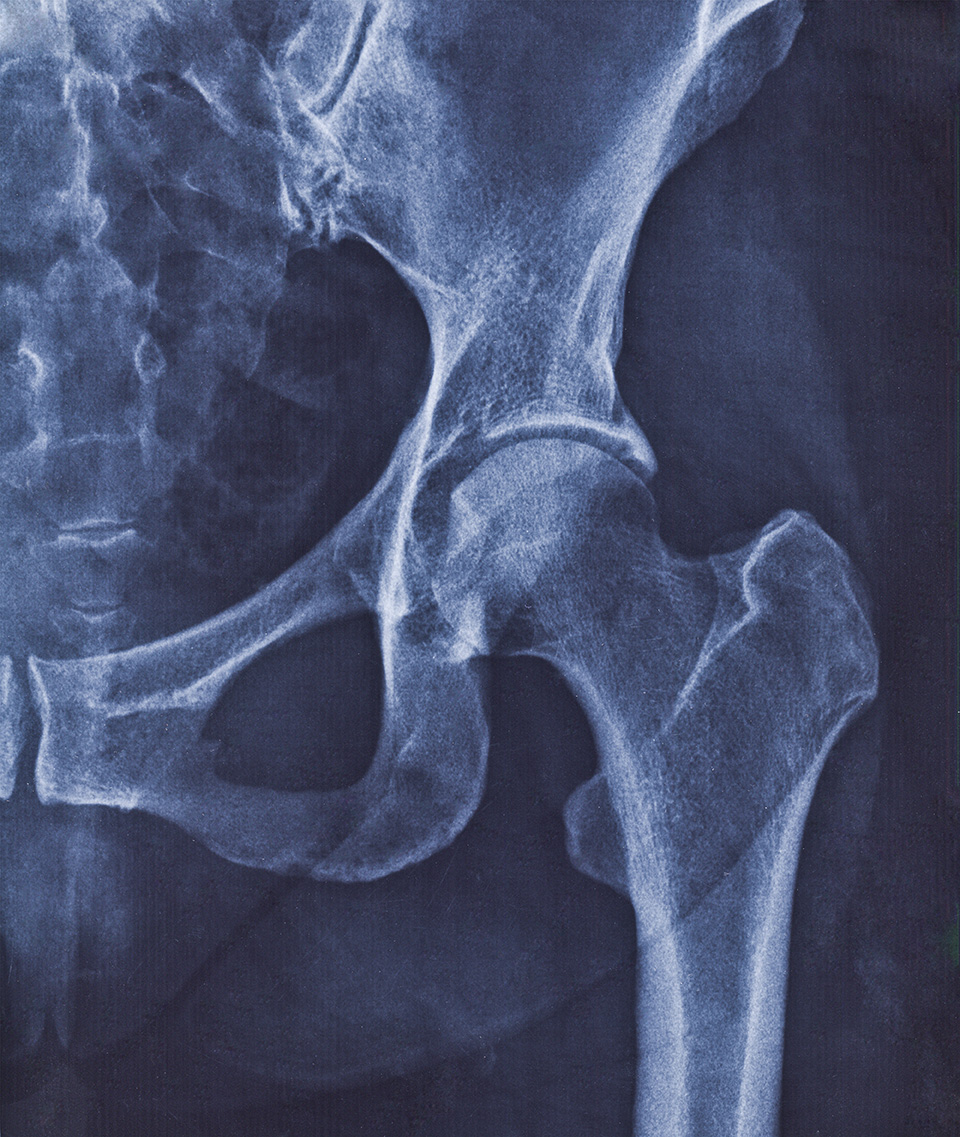
Your hip is a versatile ball-and-socket joint. The ball is formed by the upper end of your femur (thigh bone) and fits into the socket, which is formed by the acetabulum (concave surface of your pelvis). The cartilage that coats the ball and lines the socket provides a smooth gliding surface, allowing your hip joint to move fluidly. Hip pain or limited mobility can result from a range of conditions or injuries, but effective treatment can help you return to your daily activities.
Don't Wait – Schedule Your Consultation Today
Why Choose OHOW Right Now:
- Patient-centered care focused on your satisfaction and outcomes
- Leading expertise in advanced hip treatments and procedures
- Immediate access to fellowship-trained hip specialists
- Comprehensive evaluation and personalized treatment planning
- Advanced treatment options from conservative care to complex surgery
- Latest technology including ultrasound-guided procedures
- Proven track record of successful outcomes
- Seamless care coordination from diagnosis through complete recovery
Contact Orthopaedic Hospital of Wisconsin today to schedule your consultation and take the first step toward restoring your hip function and eliminating pain. Our team is ready to provide the expert, compassionate care you deserve.